
No-heat calls, gas or electric
Alpharetta Furnace and Heating Repair for Cold Houses
Burners that never catch, registers pushing cool air, heat that keeps cutting out. We trace it with real measurements and fix it so warmth flows steadily again.
Warmth for the Freezing Nights
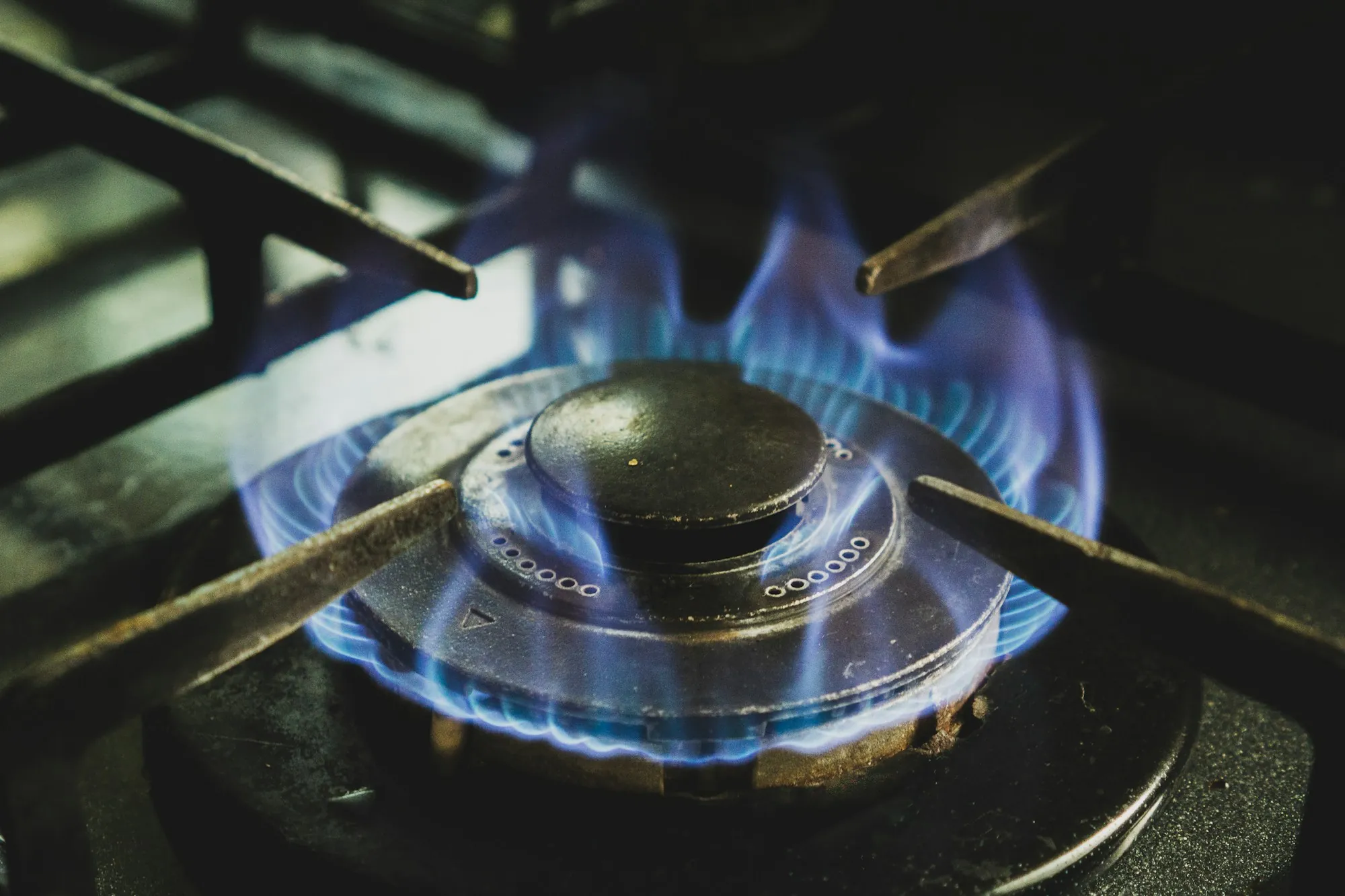
Most of the calendar, a north Fulton furnace just sits there. Our winters lean gentle, then a hard freeze rolls in, the thermostat calls for heat and the furnace that sat untouched since March clicks, tries and quits. Sometimes the blower whooshes along pushing room-temperature air. Sometimes the burners catch, run a few minutes, then cut out again. Each symptom narrows the field. A hot surface igniter with a hairline crack. A flame rod wearing a film of oxidation. A draft inducer too tired to prove airflow to its pressure switch. A high limit tripping because a packed filter is starving the heat exchanger of air. A blower motor at the end of its run. Electric units bring their own shortlist: burned elements, stuck sequencers, failed relays. Our technician walks the ignition sequence step by step, isolates the stage that breaks down and quotes the repair before swapping anything. One firm rule: if there is any smell of gas, skip the troubleshooting. Step outside with everyone and dial the gas utility or 911 from the yard. After the gas side is cleared, we handle the furnace. The visit ends with a dated summary of findings and parts.
Furnace Problems We Repair
The parts and symptoms behind most no-heat and poor-heat calls.
Igniters
Hot surface igniters crack and wear out. We test resistance and replace a failed igniter with the correct part.
Flame sensors
A dirty sensor shuts the burners off seconds after lighting. We clean or replace it and confirm a steady flame signal.
Inducer motors
If the draft inducer will not run, the furnace will not light. We check the motor, pressure switch and venting.
Limit switches
An overheating furnace trips its limit and shuts down. We find the airflow or burner cause, not just reset it.
Blower motors
Weak, noisy or dead blowers mean little or no warm air. We test the motor and capacitor and replace what failed.
Filters and airflow
A choked filter can cause overheating and short cycling. We change it and check the return and supply airflow.
Electric heat
Electric furnaces and air handlers: heating elements, sequencers and relays tested one by one and replaced where they fail.
Controls
Control boards, thermostat signals and safety circuits checked so the furnace responds when you call for heat.
How We Track Down a Heating Problem
Watch the startup
The technician calls for heat and watches each step: inducer, pressure switch, igniter, gas valve, flame and blower. The step where the sequence breaks is where the problem lives, and the control board's fault codes often confirm it.
Explain and price
You get the cause, the fix and the cost before any part is replaced. If the furnace has other wear that is worth knowing about, like a rusted burner area or a struggling blower, we tell you that too.
Repair and safety check
With the fix in place, we let the furnace complete several heat cycles and watch temperatures, flame signal and safety switches as it goes. A dated summary of the work and the readings closes out the visit.
What You Can Expect on a Furnace Call
Safety comes first
Gas, venting and flame checks are part of every heating repair, not an extra.
One clear price
The cost of the repair is explained and agreed on before work starts.
A record of the visit
A written summary of the parts and readings stays with you for the next heating season.
- Startup sequence tested
- Gas and venting checked
- Price agreed first
- Written visit summary
Thermostat Climbing but the House Is Not?
Describe the sounds and steps you notice when the furnace attempts to start. We will isolate the failed part, explain the repair and get steady warmth flowing again.